

Material and brand
PLA, PETG, ABS, resin and hundreds more, with the brand and the product, from an open reference database.
One small chip on the spool. Every machine knows what it holds.
TigerTag tells any reader the material, the brand, the colour, the print settings and the remaining quantity of a filament spool or a resin bottle, and proves it is genuine. Fully offline, free for everyone, owned by no printer maker.
Pick a product from the catalogue, or write a custom tag by hand, and see every byte of the chip change live. Or paste a chip you have read and decode it. Everything runs in your browser.
Color 1 / 2 / 3 · +16 / +36 / +40
Nozzle Temp Min / Max · +24 / +26Bed Temp Min / Max · +30 / +31Dry Temp / Dry Time · +28 / +29Measure Available · +76
| Field | Bytes | Hex | Value |
|---|
Bytes generated here are a demonstration: the encoding is the SDKs', and only a certified manufacturer can sign a chip.
Everything needed to print is on the chip itself. A reader that never reaches the network loses none of it.
PLA, PETG, ABS, resin and hundreds more, with the brand and the product, from an open reference database.
Up to three colours, and two aspects such as matte, silk, carbon or glow.
Nozzle and bed temperatures, drying temperature and time, and the transmission distance used by HueForge.
The initial and the remaining quantity, by weight, volume or length, updated as the spool is used.
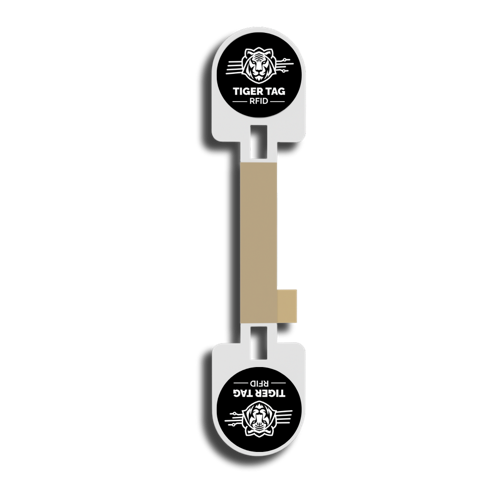
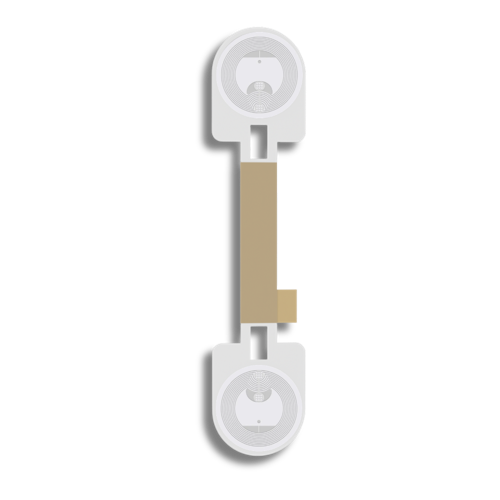
One chip on each flange, paired by a shared identifier: the spool is found from either side, and each tag knows it is 1 of 2 or 2 of 2.
A TigerTag+ Certified chip carries an ECDSA-P256 signature that any reader checks offline: is this spool genuine?
The same 144 bytes, read the same way. What changes is what the chip can promise.
Everything needed to print, written by anyone: a brand, a maker, an app. Works fully offline. In custom mode it encodes any material the catalogue does not list yet.
A TigerTag that carries a product id from the official catalogue: name, SKU, barcode and image resolve offline, and corrections reach the chip after it was written.
A TigerTag+ signed by a certified manufacturer. The signature is bound to the chip's unique id, so a copied chip fails the check.
A TigerTag is a plain NFC chip, never locked in write. The format is public, the tools are open source.
A brand, a factory or a maker writes the material, colours, settings and quantity: 80 bytes of data on pages 0x04 to 0x17.
A phone, a TigerPOD, a scale or a printer accessory reads the chip and decodes it with the open reference tables, offline.
On a certified chip, the reader checks the signature on pages 0x18 to 0x27 against the public key shipped with the protocol.
The remaining weight is written back as the spool is used. A brand's corrected settings reach a TigerTag+ in the field, without a recall.
Data: 80 bytes, pages 0x04 to 0x17
type, product, material, aspects, brand, diameter, colours, quantity, temperatures, drying, timestamp, tag index
Signature: 64 bytes, pages 0x18 to 0x27
ECDSA-P256 over the chip UID and pages 4 and 5; zeros on an unsigned chip
An ECDSA-P256 signature, verified fully offline with a public key shipped with the protocol.
Never locked in write: move it to the next spool, or give it a second life as a connected NFC tag.
A brand publishes corrected settings; a compatible reader updates the chip in place. No recall.
Owned by no printer maker and favouring no machine. The chip describes the material, not the device that reads it.
An irrevocable, royalty-free right to implement it, in open source or proprietary products.
The reference tables and the full product catalogue are public domain (CC0): embed them anywhere.
A full print record in 80 bytes, where OpenPrintTag uses 176 and OpenTag3D 224: the only format of the six that fits an NTAG213, signature included. Its product id opens the bundled catalogue of 20,348 products, with no network.
Compare the six formatsParse, verify, create and patch TigerTags in a few lines. Both SDKs produce identical bytes and work offline.
Node.js 18+, zero runtime dependencies, catalogue bundled.
npm install tigertagPython 3.8+, offline signature check, CLI included.
pip install tigertagThe byte layout, the signature, worked examples and the version history.
OpenJSON tables, the full catalogue and one file per brand, each listed with its sha256 in a manifest.
OpenThe same data, always current, with no key and no login.
api.tigertag.ioPut a TigerTag on your spools and every open tool reads them: apps, readers, scales, printer accessories.
No licence, no registration, no fee, at any volume. The specification is CC-BY-4.0, the database CC0.
Keep the chip your printers read today and add an NTAG on the other flange. Nothing breaks.
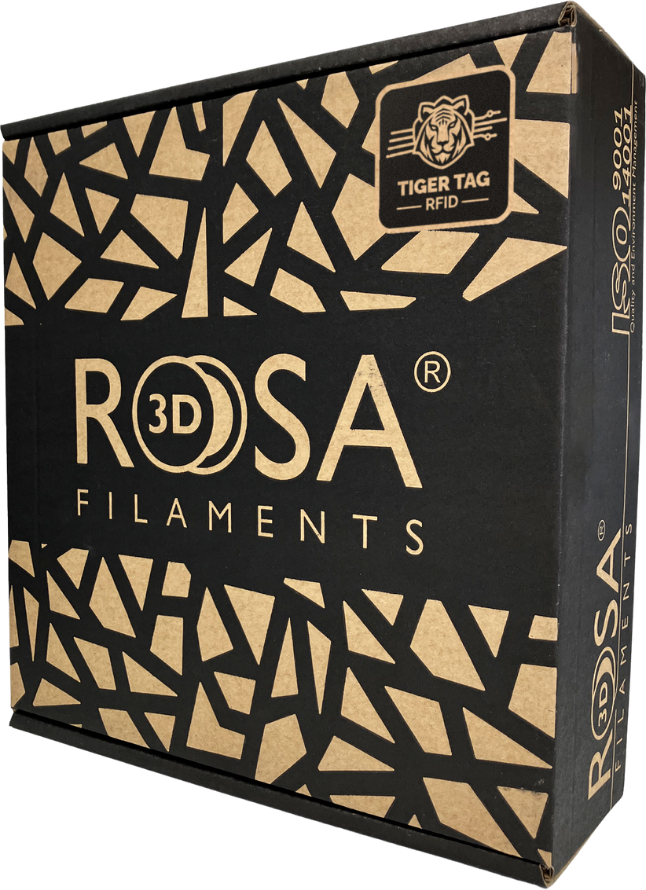
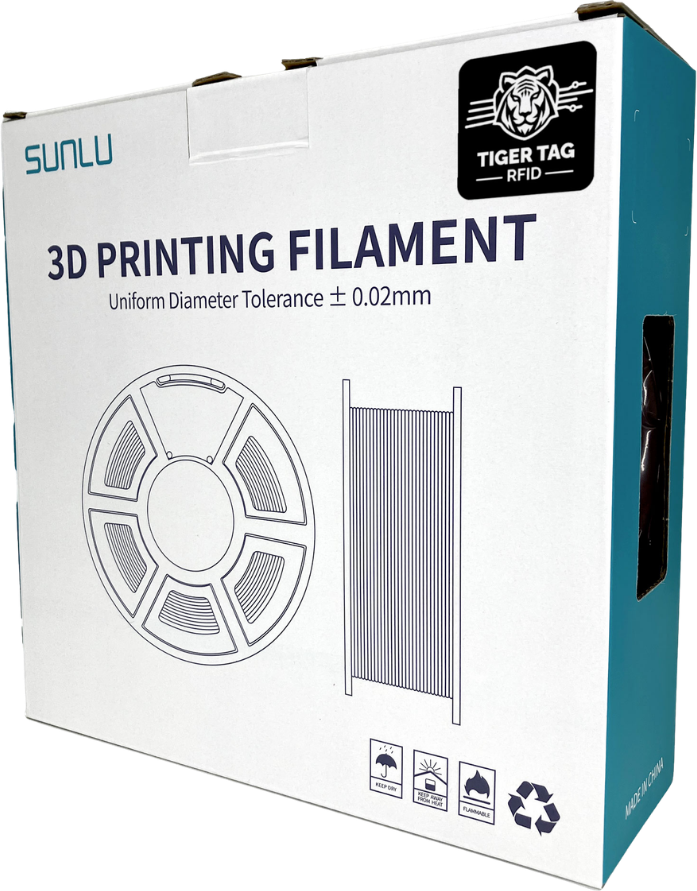
The TigerTag mark and signed TigerTag+ Certified chips come with certification of your product and process.
Certification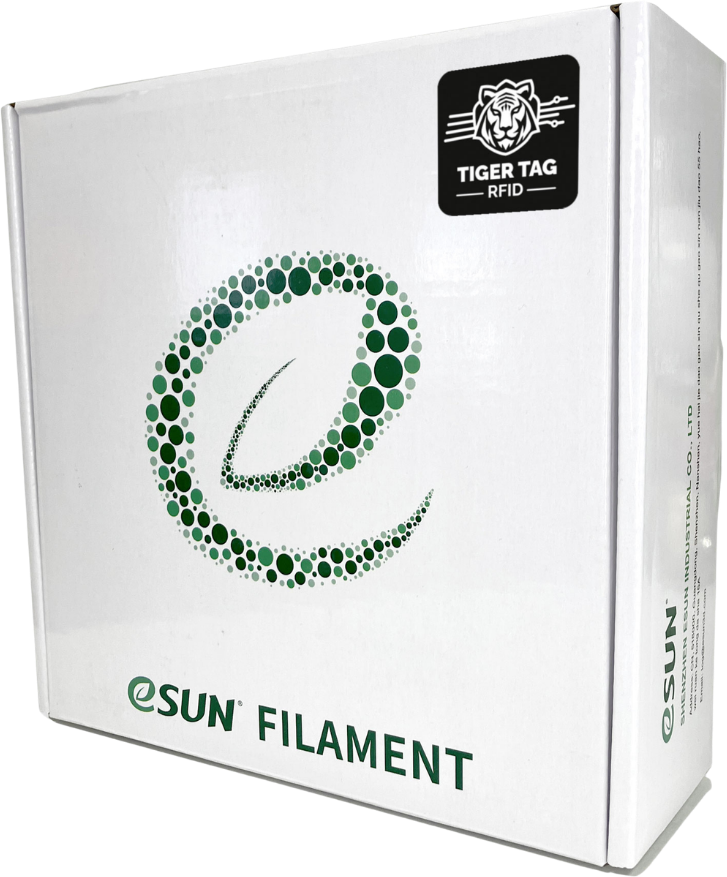
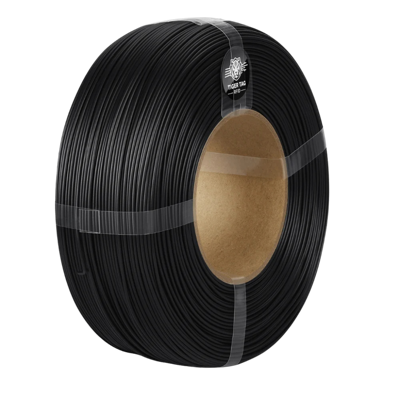
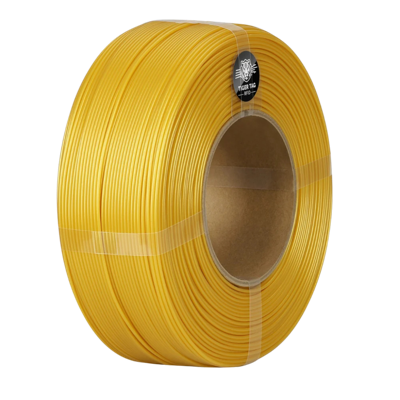
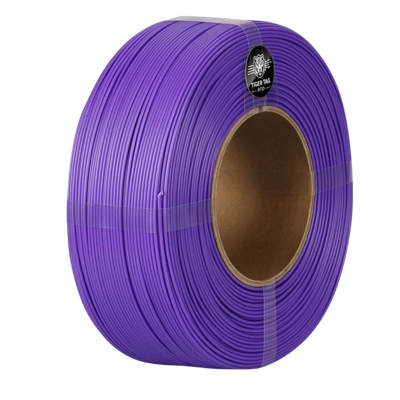
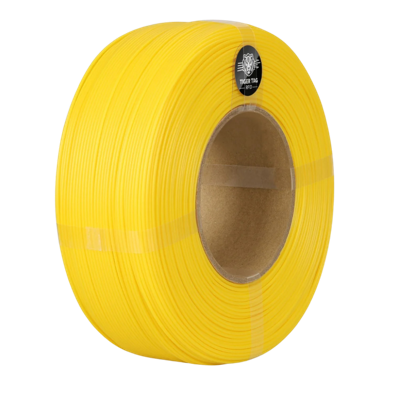
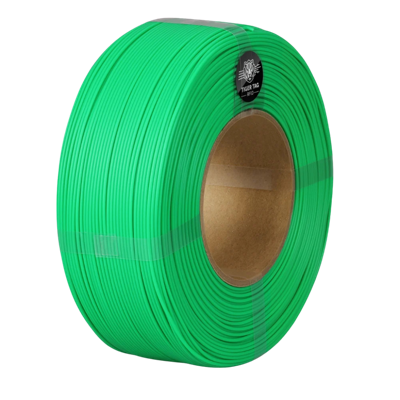
No plastic spool, and still a TigerTag on every coil, whatever the colour. The TigerTag refill carrier holds a chip at each end.
Free, open-source apps and hardware that read, write and use TigerTags, for every printer brand.
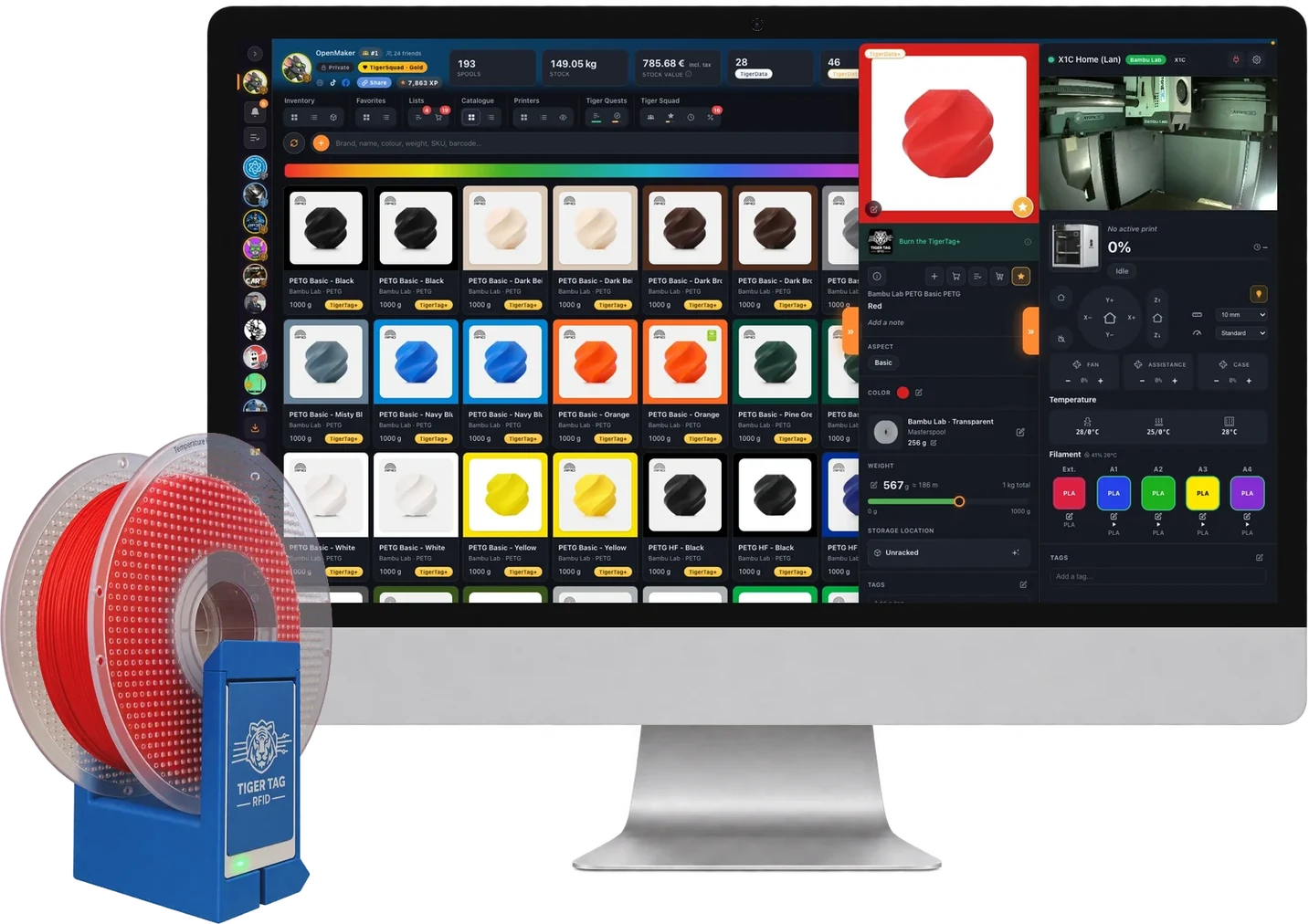
The desktop app for Windows, macOS and Linux: filament inventory, live printers, burning and reading chips, and linking the chips already on maker spools.
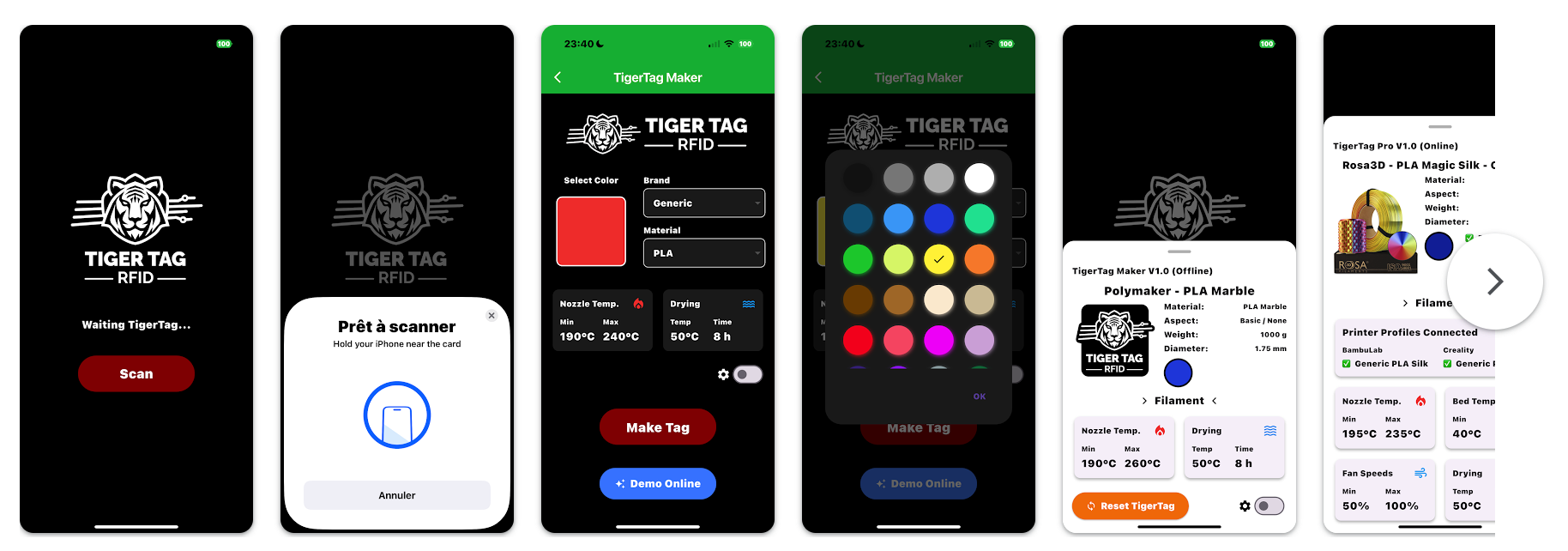
Free on iOS and Android: scan a spool with your phone, add it to your inventory, write a TigerTag.
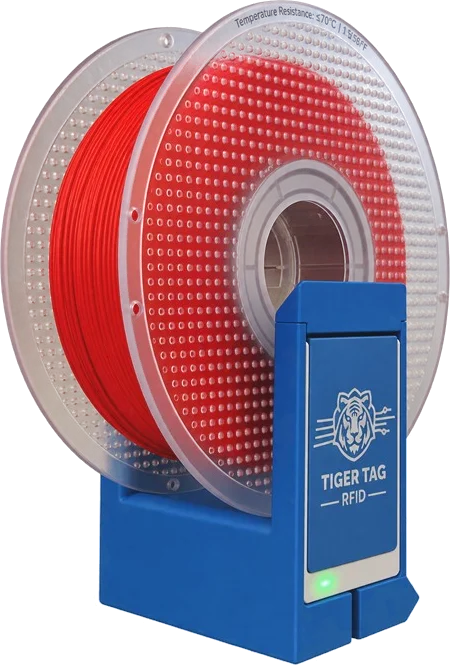
The open-source NFC/RFID reader and writer that holds the spool. Print it yourself or buy a kit.
Repository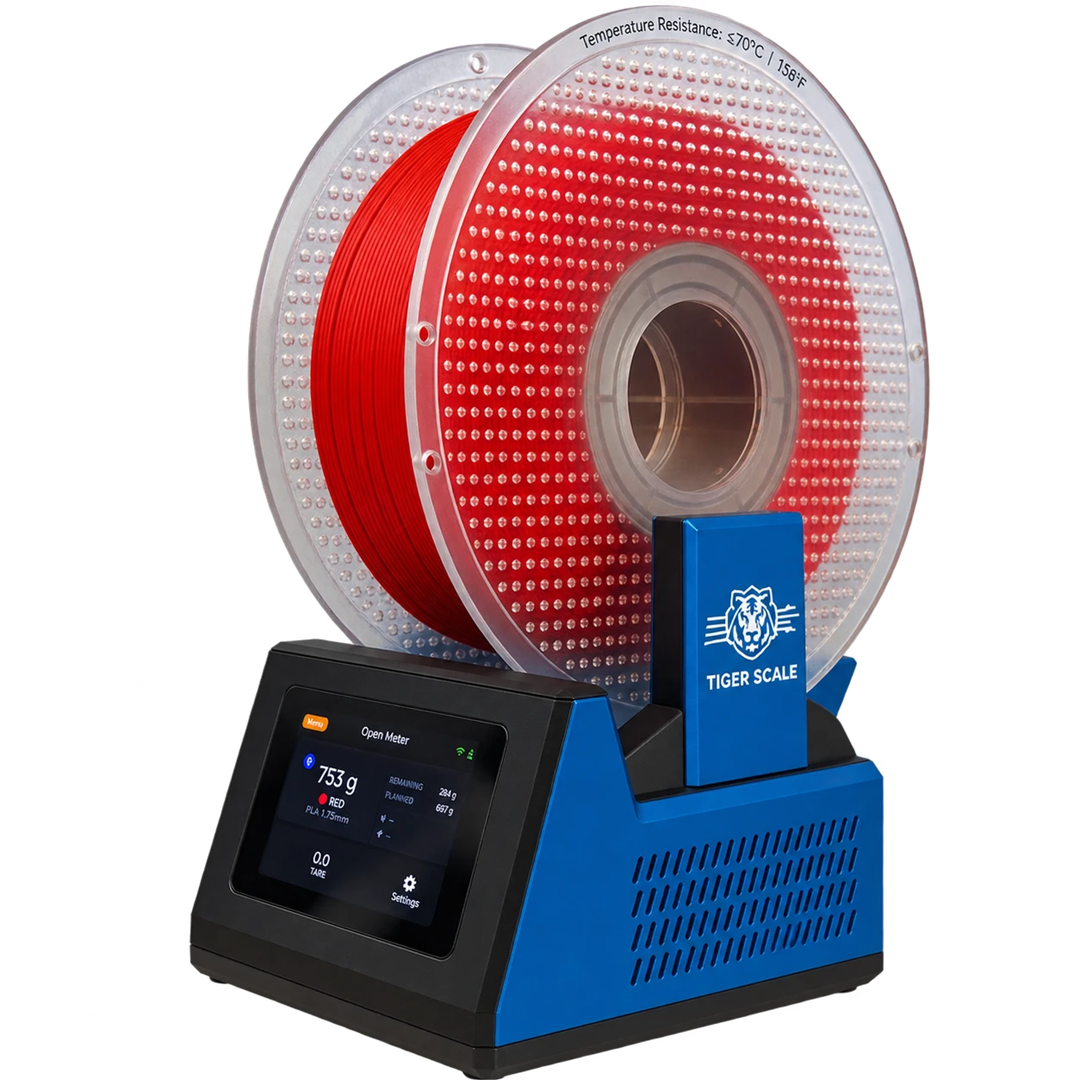
The connected scale that knows which spool is on it, and weighs the filament left in real time.
Repository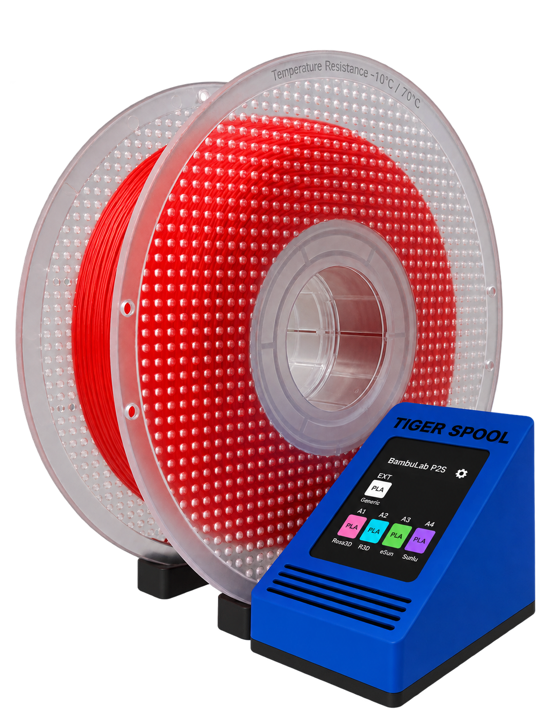
Tap a spool, choose a slot: the filament lands in the right printer slot, over the printer's own protocol.
Repository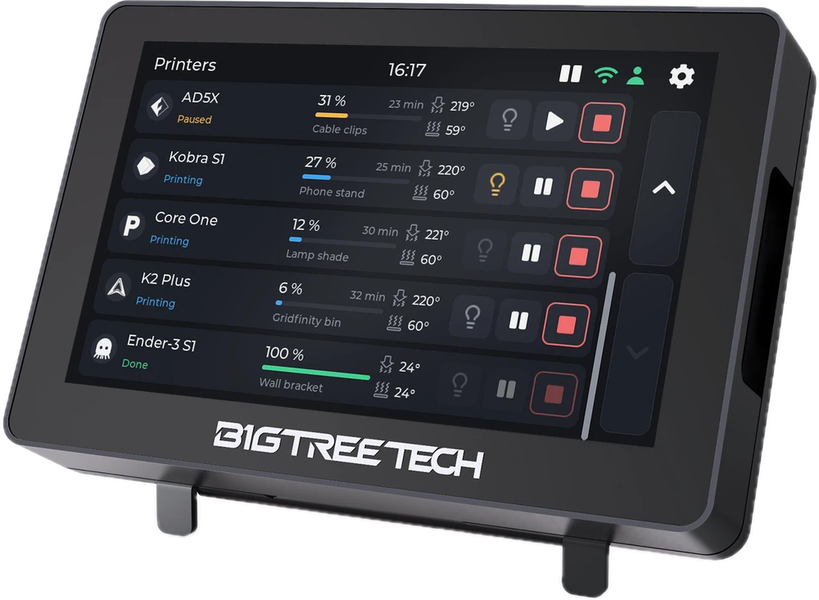
Free firmware that turns a BIGTREETECH Panda Touch or K-Touch into one live screen for all your printers.
The TigerSystem home: your account, the material catalogue and news of the ecosystem.
VisitGuides for every product of the ecosystem, for makers and for AI assistants.
ReadIndependent projects that read or write TigerTags.
An NTAG213 or larger (NTAG215, NTAG216), ISO 14443-3. The layout fits the 144 bytes of the smallest one, so any larger chip works too.
Yes. Implementing the protocol requires no licence and no payment, in any product, open source or proprietary. Only the TigerTag mark on a product and signed chips require certification.
No. Material, colours, settings, quantity and the signature check are all read from the chip and the bundled reference tables. The API only adds extra detail.
A TigerTag+ Certified chip carries an ECDSA-P256 signature of its unique id and product. The reader verifies it offline with the public key published with the protocol.
Yes. TigerTag chips are never locked in write: move one to another spool, or reuse it for anything an NFC tag can do.
Tiger Studio Manager links those maker chips to your inventory by their id, without decoding or rewriting them. You can also add a TigerTag next to them.
Through Tiger Studio Manager, TigerSpool and Tiger Touch: Bambu Lab, Creality, Elegoo, Anycubic, Snapmaker, FlashForge, Prusa, and Klipper or OctoPrint machines.
Read the specification, pick an SDK, or start with the free apps.